Grant us strength and grace, O God,
that we might move through today
folding in humble obedience to you,
sensitivity of your Spirit,
and in joyful expectancy of your coming kingdom." A Liturgy of the Hours Midday, Volume 1
That phrase ‘folding in humble obedience to you,’ that just brought me up short. Folding in humble obedience to you. Yes, Lord, I want to be that sort of obedient.
Have you ever tried to carry an unruly child, one kicking and screaming, squirming to get down out of your arms? God does not want us to be like that.
Listen to me, O house of Jacob, all the remnant of the house of Israel, who have been borne by me from your birth, carried from the womb; 4 even to your old age I am he; even when you turn gray I will carry you. I have made, and I will bear; I will carry and will save. Isaiah 46:3-4 NRSVUE
Even to old age and gray hair, (or no hair), God wants to be involved in our life.
Will we cooperate with those wishes?
Will we bend our heart in humble obedience, sensitivity to God’s Spirit, and in joyful expectancy of the coming kingdom? I hope and pray you will join me in this sort of yielding.
These days when every old seasonal movie is shown on TV, there is an elf running around in an adult-sized costume hollering, “I KNOW HIM!!!”
During this season when some folks get the blues over lost times and memories of the past, I have a question. Those days when things seem blah remember this! Do you know Him? Not the merchandising one, the One who came to set us free!
10 I want to know Christ and the power of his resurrection and the sharing of his sufferings by becoming like him in his death, 11 if somehow I may attain the resurrection from the dead. Philippians 3:10-11 NRVUE
I have much to learn about those two verses. What about you?
23 Thus says the Lord: Do not let the wise boast in their wisdom; do not let the mighty boast in their might; do not let the wealthy boast in their wealth; 24 but let those who boast boast in this, that they understand and know me, that I am the Lord; I act with steadfast love, justice, and righteousness in the earth, for in these things I delight, says the Lord. Jeremiah 9:23-24 NRSUE
I will never fully understand or know the Almighty, but I make it the work of my life to learn more and more
28 God chose what is low and despised in the world, things that are not, to abolish things that are, 29 so that no one might boast in the presence of God. 30 In contrast, God is why you are in Christ Jesus, who became for us wisdom from God, and righteousness and sanctification and redemption, 31 in order that, as it is written, “Let the one who boasts, boast in the Lord.” 1 Cor 1:28-31 NRSVUE
That is enough to keep me pondering all the days of my life!! J B Philips did a New Testament translation that is often times refreshing.
We wish you could see how all this is working out for your benefit, and how the more grace God gives, the more thanksgiving will redound to his glory. This is the reason why we never collapse. The outward man does indeed suffer wear and tear, but every day the inward man receives fresh strength. These little troubles (which are really so transitory) are winning for us a permanent, glorious and solid reward out of all proportion to our pain. For we are looking all the time not at the visible things but at the invisible. The visible things are transitory: it is the invisible things that are really permanent. Philips 2 Corinthians 4: 15-18
One of my favorite artists, Stephanie Gretzinger, draws me back to this truth as I play the following song repeatedly. Written by Graham Kendrick it is full of eternal truths. I encourage you to also listen to it repeatedly. Layers upon layers of meaning.
Every avalanche begins with the movement of a single snowflake, and my hope is to move a snowflake.
THOMAS FREY
Doesn’t that make you want to DO something? This morning we are having our first snowfall of the season. It won’t accumulate much, but there is snow on the grassy places and on most every rooftop. Almost every plant is bowed over, not from the weight of the snow but the bitter cold. Wind chills are in the 20’s and teens. The birds are crowding the feeder.
Where do you need an avalanche in your sphere of influence? Can you attempt to move a snowflake and begin needed change? An avalanche is usually destructive, but what if that avalanche just clears away accumulated, unwanted debris?
Thomas Frey hopes to move a snowflake. What do you hope to do? Here is a little video from Nat Geo. Enjoy!
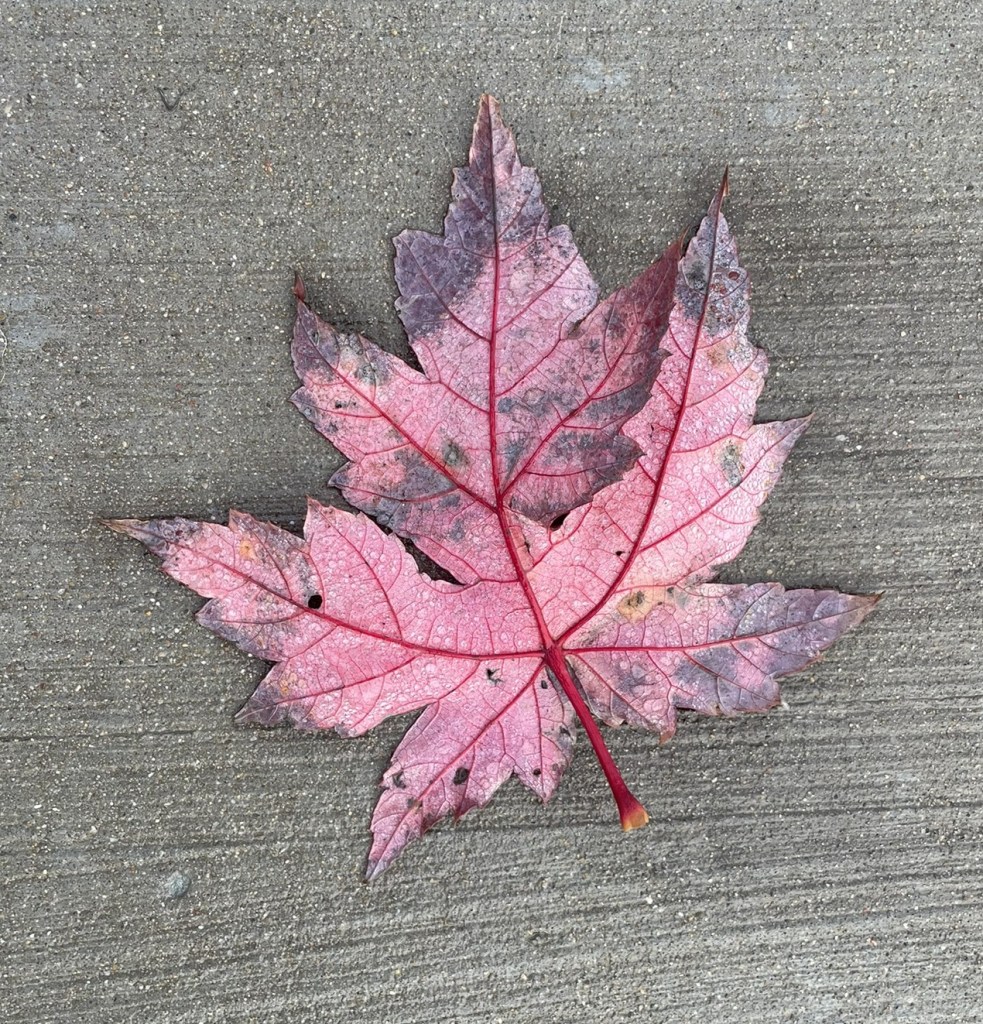
This leaf was the day before the snowfall. Yes, one was face up and next one was face down.
What would change if I moved some of the things cluttering up life? Bob cleans every drawer and closet annually. Not exactly an avalanche, but when I do it there tends to be a huge donation pile for Goodwill. As the weather brings us indoors more and more I look forward to moving some snowflakes and creating avalanches of unnecessary items to be taken out of here.
It is truly right, and good and joyful, to give you thanks, all-holy God, source of life and fountain of mercy. You have filled us and all creation with your blessing and fed us with your constant love; you have redeemed us in Jesus Christ and knit us into one body. Through your Spirit you replenish us and call us to fullness of life. The Great Thanksgiving, BCP
Yes, Father God, move heaven and earth to help us uncomplicate our lives and give more and more of our attention to the Holy Trinity. May we yield to you with grace and peace.
This sums up what I often try to express. Yes I used it another blog recently. Then it was posted on Gratefulness.org and I realized I had more I wanted to share on the topic.
Our brokenness is also the source of our common humanity, the basis for our shared search for comfort, meaning, and healing. Our shared vulnerability and imperfection nurtures and sustains our capacity for compassion.
BRYAN STEVENSON
I have a friend who has usually prided herself on her perfection. Make-up, clothing, hair, conversation topics at meals. I never measured up to her standards. Ever.
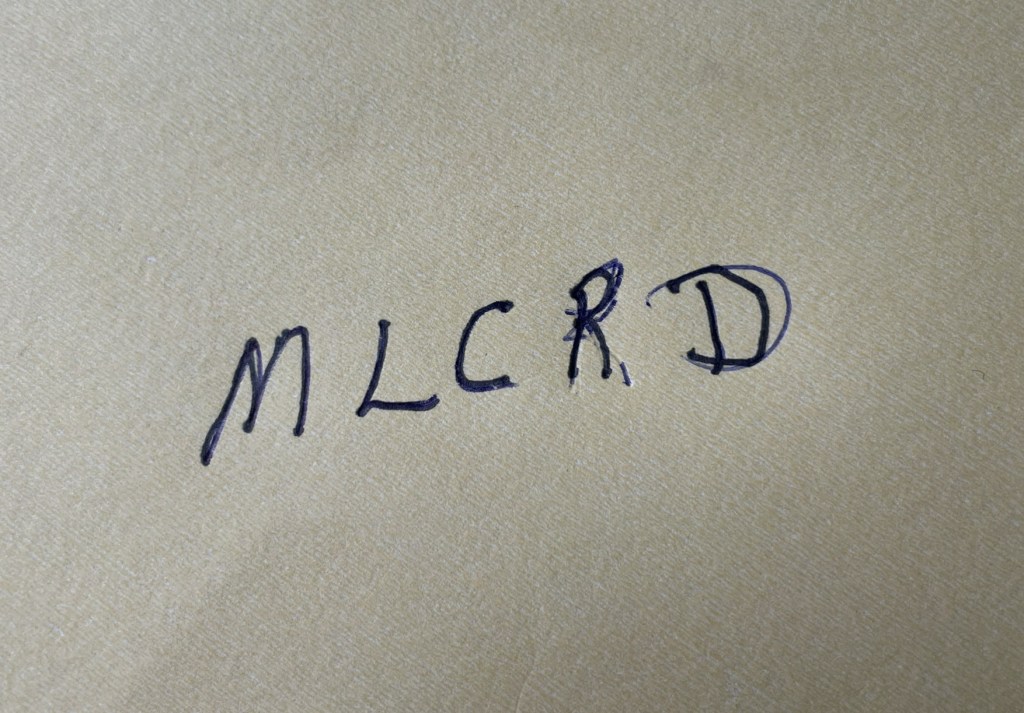
Recently she has had some changes in her life and consequently in her attitudes. This month we met for lunch. She gave me a card with this envelope. Told me that even her pen would not work correctly that morning.
initials for Molly Linda Cheryl Rush Dutina
Don’t you know this envelope made her even more endearing to me? I am by no means perfect in anything I do. Aren’t you relieved when you can be with someone who does not expect perfection from themselves or from you?
“Our common humanity, shared vulnerability and imperfection.” Oh, that we would each learn this lesson and approach one another as the plain human beings that we are! Flawed, yes. Honest, rarely. We need transparency with one another if our relationships are to thrive and grow.
“Our shared search for comfort, meaning, and healing.” What do you want the most in a friend? That is likely what they want most in their friendship with you!
I pray for the remainder of the year you can find ways to nurture and sustain your capacity for compassion. Then show that compassion to those around you. Amen.
Our brokenness is also the source of our common humanity, the basis for our shared search for comfort, meaning, and healing. Our shared vulnerability and imperfection nurtures and sustains our capacity for compassion.
I was involved in the ministry many years ago. I recently had a Stephen minster of my own and am now ready to serve again in that capacity. I look forward to the multiple books and online training I will be doing. It is always good to give back to any program that has helped or encouraged you. I pray you will do the same!
Bear one another’s burdens, and in this way you will fulfill the law of Christ (Galatians 6:2 NRSV)
There truly is a wealth of information on their website. Please explore it at your leisure and see if this is something that you or your congregation could benefit from!
We are all broken. Some of us just hide it better than others. Care and compassion can heal so much.
Do nothing out of selfish ambition or vain conceit. Rather, in humility value others above yourselves, 4 not looking to your own interests but each of you to the interests of the others. Philippians 2:3-4 NIV
Driving on interstate highway in torrential downpour, first surprise was a vulture flying over the road. Second surprise, falling leaves in the midst of the downpour.
Walking the dog this morning, first surprise was a hawk sitting on the fence. Second surprise a flock of geese flying overhead and honking. Third surprise three vultures flying the opposite direction.
Have you been able to find glimmers during your day? Though we have had some nights with temperatures in the very low 40s I was still able to pick a couple bouquets of flowers! Those Bachelor’s Buttons just keep giving that lovely deep blue. Nasturtiums entertain us with the various colors. A few mums here and there and a dianthus to pink up the blossoms. Won’t be long before the only flowers are store bought.
A few weeks ago I planted the remaining Bachelor Button seeds. Not certain what came up! Leaves do not resemble the others. Decided to just let them grow and see what happens in the spring, assuming they survive the winter!
Watch for the glimmer sin your day. Note them. Give thanks for them. Take this beyond the gratitude list. Ponder how fortunate you are to have noticed these things. You are fortunate! I have a friend who is legally blind. She would love to be able to see what you can see. I have another friend who cannot smell any thing. Are you aware that it is s gift just to be able to take your next breath? And this one?
Glimmers and gratitude can both interrupt our mundane boring day. Open your eyes and ears and all of your being to this very moment in your/q
Rejoice evermore.
17 Pray without ceasing.
18 In every thing give thanks: for this is the will of God in Christ Jesus concerning you. life. And give thanks.
Recently I was given a magazine called “First for Women.” I kept it because I wanted to read the cover article about Queen Latifah. I came to appreciate her talent through a TV program that aired for a couple of seasons. That article was pretty good, but what got me really excited was the article about “Glimmers.”
I had not heard of this idea before. It is similar to gratitude or gratefulness, yet slightly different. I guess it began with research by Deb Dana, LCSW with Stephen W. Porges, Ph.D. He is a Distinguished University Scientist at Indiana University where he is the founding director of the Traumatic Stress Research Consortium. He is Professor of Psychiatry at the University of North Carolina, and Professor Emeritus at both the University of Illinois at Chicago and the University of Maryland. Their research has to do with study of the polyvagal theory in trauma treatment. The concept of glimmers has gone viral on TikTok. (I do not use it, but the magazine reported it.) Deb Dana says, “In these moments the vagus nerve is in a state of regulation. To fully thrive, we also have to experience safety and connection. Glimmers remind us that good does exist in this crazy world.”
Speaking with The New York Post Ms. Dana said, “Glimmers are these tiny moments of OK-ness, joy, excitement, ease, calm, any of those flavors that give you the feeling that you are safe enough in the world to feel present and OK,” Dana said.
How do you know if you’ve bumped up against a glimmer?
“You may feel something happen in your body, a warmth or an openness or breath change, or your eyes might focus on something. It may bring a slight smile. So there’s an embodied response,” she added.
“The brain follows suit with its own response, recognizing that something is beautiful or fun or that it likes it: “It’s a body-brain experience, and they work together,” Dana noted.
“Noticing glimmers is a powerful healing practice. It’s important to remember that no glimmer is too small to notice. Each small moment of goodness contributes to a broader sense of well-being and recovery. Think about each glimmer as one piece of a larger puzzle. By actively looking for and appreciating these moments, you can gradually shift your focus from the pain of trauma to the small joys in life.
“Over time, this practice can lead to significant improvements in your mental health and resilience.”
I believe we all need improvements in our mental health especially in this tumultuous year of 2025. So if you have grown tired of listing gratitudes, or sharing your gratefulness, why not begin to look for glimmers? Then take the bold step of sharing them with someone else! Remember, no glimmer is too small!
The first definitive rain and cold front moved through here the other day. Up at the flower shop the wind even threw on its side a potted tree. The many oak leaves that had littered the yard are gone – poof! – taken off to other places. The maples are starting to change, but have not yet blessed us with yellow showers. That will begin momentarily.
Writing about October author Joyce Rupp in her book “May I Have This Dance” says, “Although autumn might seem to be a harsh reminder of death, we can also be encouraged to enter into the mystery of eternal life. We see autumn standing in surrender as the winds sweep her trees naked. The frost browns her meadows and deadens her plants. But a deeper truth is beneath the appearance of death.
“A movement toward life takes place in autumn. Dead leaves that seem to have no value are transformed by winter snows and spring rains to rich humus for new growth… No new growth will come unless autumn agrees to let go of what has been. The same is true of our lives.”
Is that woman a great author or what?!? Are we willing to let go of what has been? Bob and I celebrate our birthdays about three weeks apart. He is two years older than I am. This aging thing brings both of us face to face with the changes that have occurred in our bodies over the many years we have been married. We are no longer strong and as frivolous like in our youth. We both want to approach aging with calmness, peace and an acceptance of what is. That is easier to write than to do. So much easier.
Turn the page
I do know from reading and re-reading the book Radical Acceptance that I only increase my suffering by refusing to accept what is. So here I am turning the corner on 75 and he just turned 77. My older friends in their 80s and 90s tell me I am still young. Whew! I do not feel young!!
The Holy Spirit assures me that God is not finished with me yet. As I learn what I am to lay aside and where to proceed I remember the trees and the changes autumn brings.
Molly, can you stand in surrender and be encouraged to enter into the mystery of eternal life? Dallas Willard taught that eternal life begins now for those of us who love and follow closely after God. There truly are times in my encounters with the Holy One that I can forget the challenges by body presents and breath deeply of the life God offers me in the here and now.
The following piece of music helps me do just that if I will stop, breathe deeply and listen closely. I hope it helps you draw close to God in the present moment and blesses you. I hope you will take the time to listen to all of this piece. For me, it is like a musical prayer. Three minutes, 53 seconds of bliss. Just stop and listen.
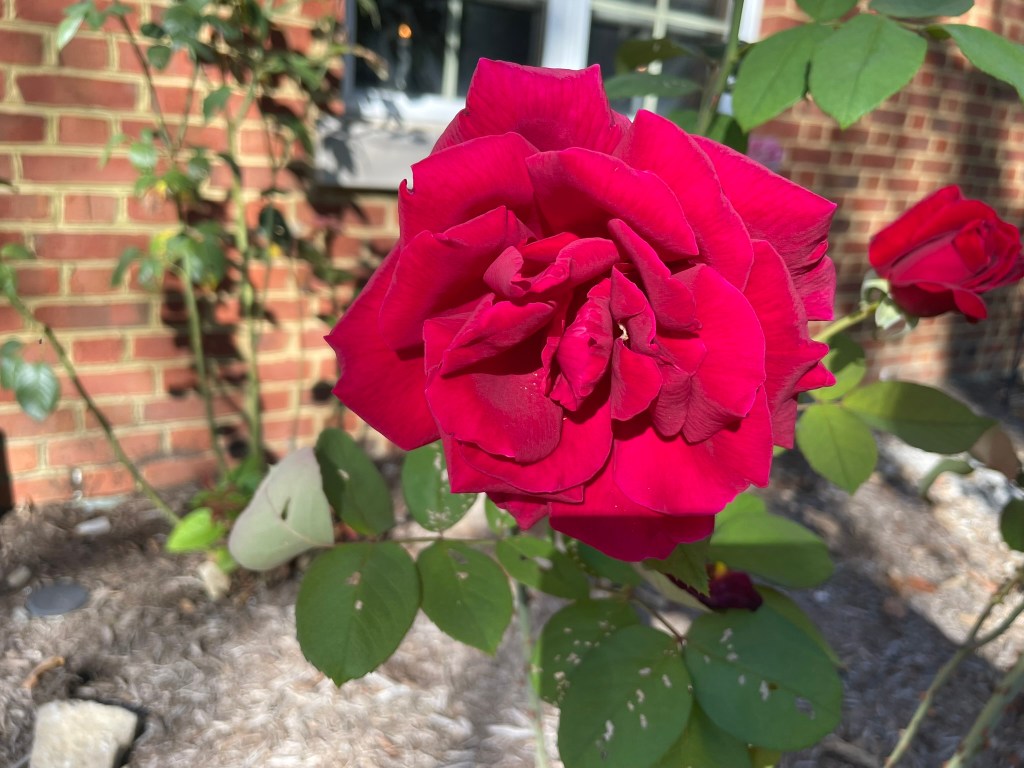
Here is the last rose of the year from our gardens.
This bush grows in the front flower bed. I bought it for under $5 at Walmart and kept it in the garage until it got warm enough to plant. I shielded it from the chomping deer with berry netting. It did not have a great year with insects even though I sprayed it. If it comes back next year it will get treated with the wonderful Bayer rose treatments that Betty Cooksey introduced me to. (Bayer says not to treat them the first year of planting, though I was tempted!!) I just wish I could send you the heavenly fragrance.
I quit growing Knock Out roses for a couple of reasons. They grow tremendously LARGE thorns. They have NO fragrance. I know that almost every rose from the flower shops have no fragrance but I love the sweet smell of a rose. So if I am going to go the trouble of growing them, I want them to be fragrant.
Bob was working in the backyard to clear the nasty grass that grows into our lot from the neighbors. We had our garden bed built up in the back as a mound to try to keep the weeds and grasses out. He was working to rid us of the jewelweed. It has been trying to take over everything back there. Because of the hot drought weather this summer it was not even pretty. The hummingbirds did not seem interested. Perhaps if we removed it before the seeds exploded all over the place we will have less to deal with next year?
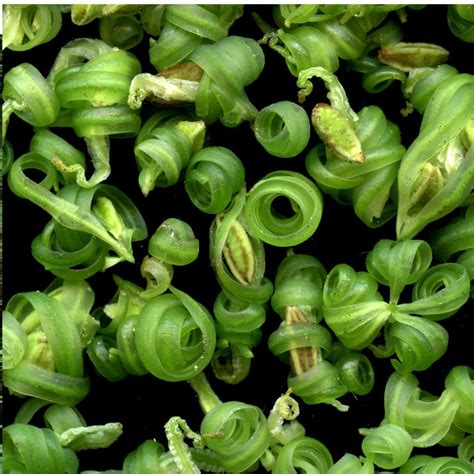
Ripe seed pods burst open when touched
The good news is he got 1/3 done the first day. The bad news is he fell down and I was not home. The good news is the fall detector on our new Apple Watches works!! The bad news is he bruised his hip and arm. The good news is he did not fall on his new knee replacement!!! Drum roll!! The other good news is he was able to get up by himself and has decided not to work in the garden again unless I am home.
He got the second third done out there another day. The yard is certainly looking as if autumn will fall upon us any minute. Weather man says leaves will fall in another couple of weeks. Then I will put the roses to bed under a pile of soil and pray for lots and lots of flowers next year!
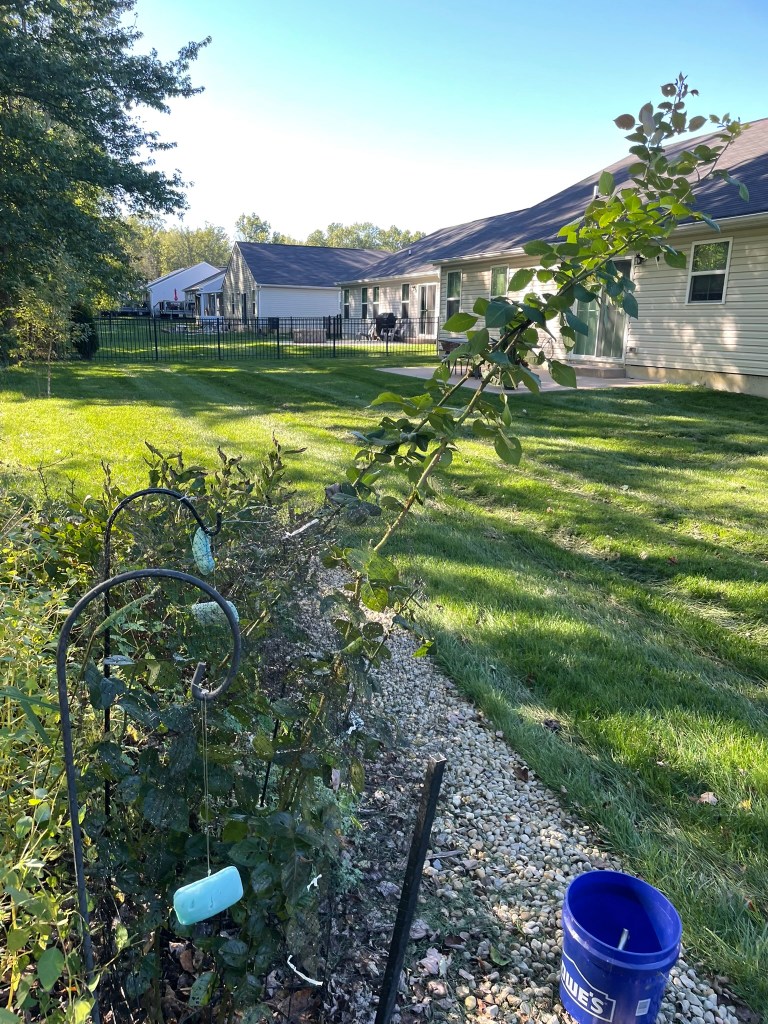
AND … I guess I should have pruned these branches out back on that other rose! It way outgrew the berry netting. Bob teased that soon it will be touching the house. I was hoping it would bloom from those. Alas, it did not. Considering the deer ate it to the ground more than once last year, this is one amazing little shrub (oh, not so little before pruning).
Jeff, one of the guided meditation leaders on the app, recently noted there are 4 medicines of meditation
Concentration – home base
Clarity – notice what is actually happening, return to the present
Letting things be exactly as they are – allow, deep medicine of equanimity
Care – give self love and support
I was impressed that those are also what we try to get closer to by following the Jesus Way!
By concentration I think of as not being distracted by the things of the world. Focus upon God.
Clarity hoping to have the mind of Christ in this present moment. Here and now.
Letting things be exactly as they are – not trying to change things to suit ourselves and not whining and complaining about God not doing this MY way.
Care for ourself and others. Most of us have never learned consistent, healthy self care.
These four ‘medicines’ are taught by many different disciplines. I think they are important for us to remember and apply to our own lives.
These four merit occasional review to see how we are doing. Bob keeps reminders in his desk calendar on when to change the furnace filters, when to do various jobs throughout the year. Maybe we could each put these 4 in our calendars to review for ourselves once a month?!?





















 Treasures in Plain Sight, A Christian Blog