
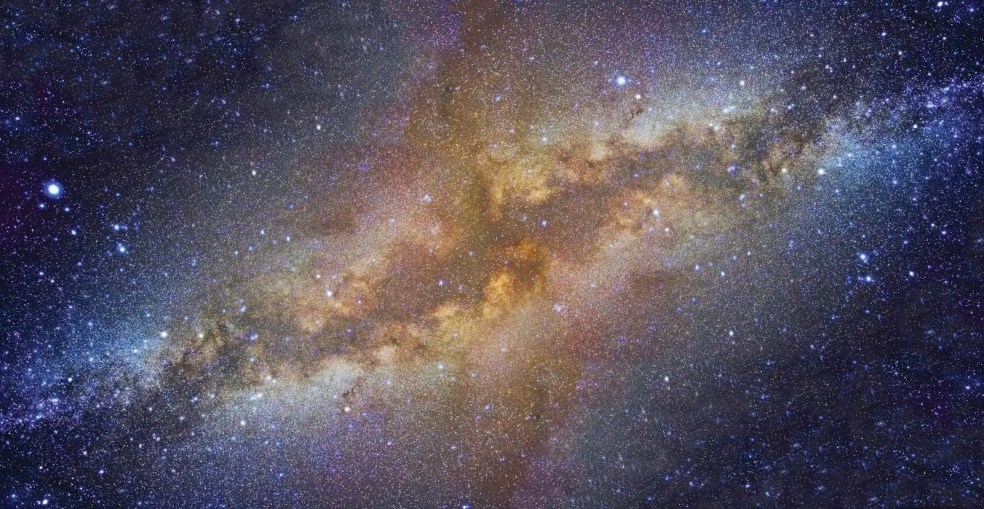
I was wondering aloud to Bob the other day about the stars when the sun rises and we can no longer see them. I am still pondering the wonders of the heavens several days later as I write this.
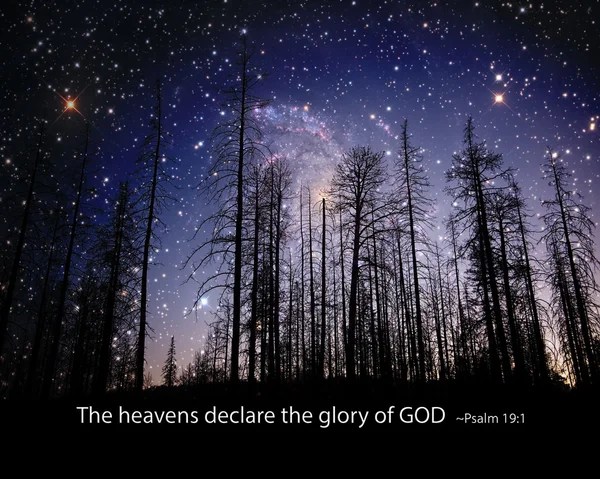
I am certainly not a master of astronomy, just a curious old woman. https://starrymaps.com/guides/daytime-star-map/ gave me a few answers.
“How we map a daytime sky
“Modern astronomy has mapped the position of every visible star with extraordinary precision. We know, down to the arc-second, where each star sits at any given moment from any point on Earth. This isn’t guesswork — it’s celestial mechanics, the same science that lets us predict eclipses centuries in advance.
“When you give us a date, time, and location, our software calculates the exact arrangement of stars above that place at that moment. It doesn’t matter whether it was noon or midnight, overcast or clear. The math doesn’t care about the weather or the sunlight. It cares about the geometry of Earth’s rotation and the stars’ positions — and those are always known.
https://starrymaps.com/guides/daytime-star-map/
Isn’t it amazing that even though we cannot see them the stars are there, above us, as we circulate around the sun.
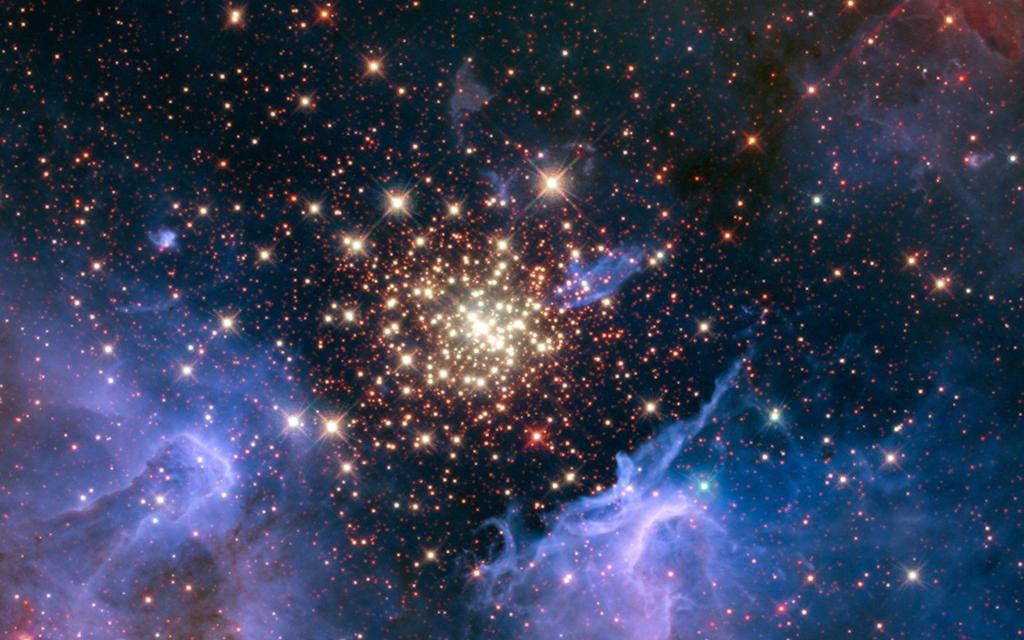
“New research led by Sarah Caddy, a PhD candidate at Macquarie University, shows that this is possible. Caddy and her team have successfully captured one of the brightest stars during daytime observations, opening up new possibilities for astronomy.
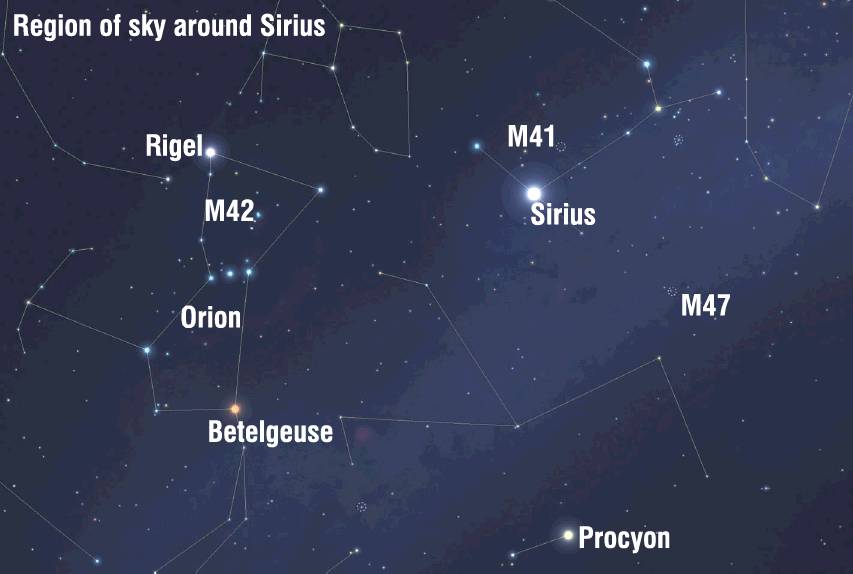
“The first time I saw stars during the day was actually whilst hosting a group of primary school students at Sydney observatory,” said Caddy. “The kids really wanted to look through the telescope, so despite it being midday, we pointed it at the brightest star in the sky – Sirius. You can imagine my astonishment – and their excitement – when we could actually see it!”
“I guess it takes that sort of childlike curiosity to explore things we would have previously discounted as impossible.” https://www.spaceaustralia.com/news/seeing-stars-day
So I tried to read up about the movement of stars and other celestial things like planets. To tell the truth, the science is WAY beyond my comprehension. I do know that when ever I am able to stay awake past dark and the sky is clear I am fascinated with the stars and planets I see. I can only imagine how tremendous those creations appeared when there was no light noise created by mankind. One night in the mountains of Colorado we were able to see the Milky Way in its glory. Wow!
The book of Common Prayer says:
At your command all things came to be: the vast expanse of interstellar space, galaxies, suns, the planets in their courses, and this fragile earth, our island home. By your will they were created and have their being.
All glory to you, our mighty God! Heaven and earth are full of your glory. Hosanna in the highest!
 Treasures in Plain Sight, A Christian Blog
Interesting thoughts!
LikeLike
If you know where to look, you can see the planet Venus during the day. It’s very visible. When I was the navigator in the Navy I took a sextant sighting on Venus, the Sun, and the Moon to get a fix during the day. It’s not common for all three to be in the same quadrant.
LikeLike