

Have you ever tried to slow and deepen your breathing? If so, you may resonate with this quote.
That moment of inward breath, that pause and awareness of “how beautiful this is” is a prayer of appreciation, a moment of gratitude in which I behold beauty and am one with it.
Jean Shinoda Bolen
I have a friend who is participating in a church plant. They are going to have something like a seven minute silence following the sermon. I think that is terrific! Seven minutes to sit together, breath together, rest in the worship and prayers and sermon you just heard. Almost sounds like the Quakers.
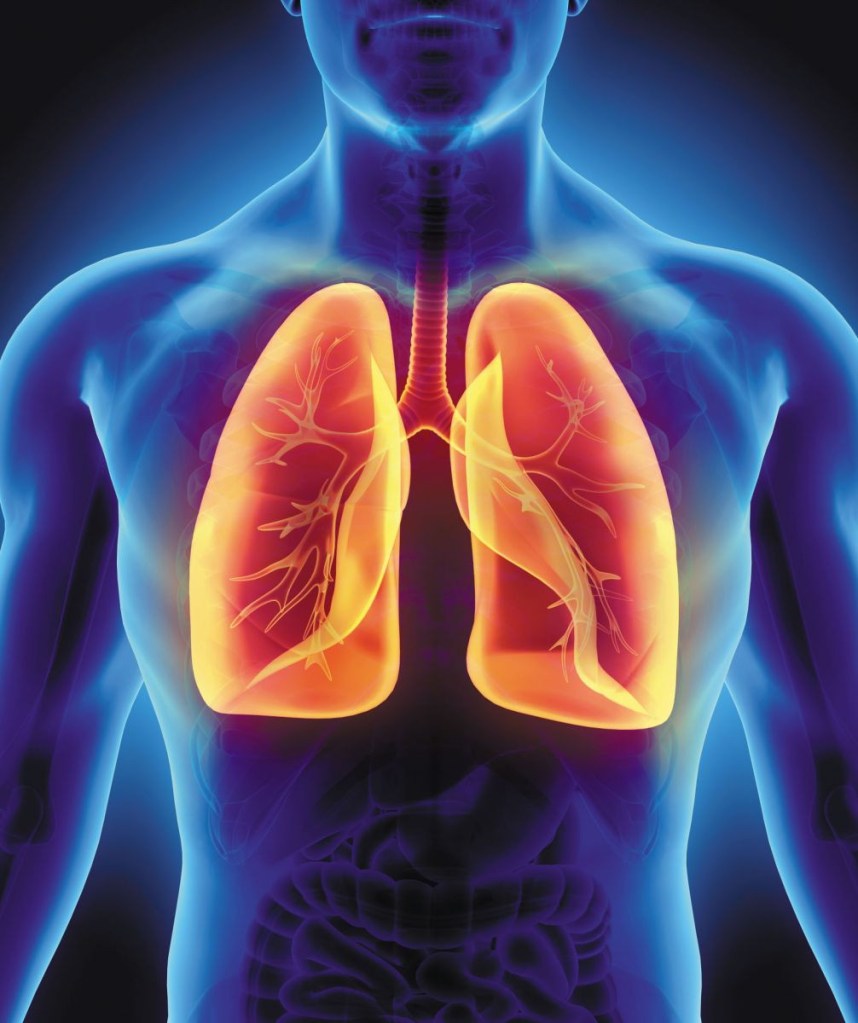
It has been said that as Americans in 2023 we do not know how to breathe properly. That’s right a simple, deep inhale followed by a simple deep exhale. And then again. And once more. We want our autonomic nervous system to do it all. In case you have forgotten that science lesson, here is a very short refresher.
You don’t have to think about breathing because your body’s autonomic nervous system controls it, as it does many other functions in your body. If you try to hold your breath, your body will override your action and force you to let out that breath and start breathing again.
https://health.howstuffworks.com/human-body/systems/respiratory/lung3.htm
BUT there are health benefits to learning how to breathe, how to rest, how to stop and feel what is happening within ourselves.
The lungs are like sponges; they cannot get bigger on their own. Muscles in your chest and abdomen tighten or contract to create a slight vacuum around the lungs. This causes air to flow in. When you exhale, the muscles relax and the lungs deflate on their own, much like an elastic balloon will deflate if left open to the air.
https://www.nhlbi.nih.gov/health/lungs/body-controls-breathing
“A prayer of appreciation” the first quote says. Do we appreciate our breathing? Are we willing to make the most of it? My sister recently suggested this book to my husband. As you may recall his lungs are compromised. I have read parts of the book and intend to finish it. Book description below is from Amazon.
No matter what you eat, how much you exercise, how skinny or young or wise you are, none of it matters if you’re not breathing properly.
Breath: The New Science of a Lost Art, James Nestor
There is nothing more essential to our health and well-being than breathing: take air in, let it out, repeat twenty-five thousand times a day. Yet, as a species, humans have lost the ability to breathe correctly, with grave consequences.
Journalist James Nestor travels the world to figure out what went wrong and how to fix it. The answers aren’t found in pulmonology labs, as we might expect, but in the muddy digs of ancient burial sites, secret Soviet facilities, New Jersey choir schools, and the smoggy streets of São Paulo. Nestor tracks down men and women exploring the hidden science behind ancient breathing practices like Pranayama, Sudarshan Kriya, and Tummo and teams up with pulmonary tinkerers to scientifically test long-held beliefs about how we breathe.
Modern research is showing us that making even slight adjustments to the way we inhale and exhale can jump-start athletic performance; rejuvenate internal organs; halt snoring, asthma, and autoimmune disease; and even straighten scoliotic spines. None of this should be possible, and yet it is.
Drawing on thousands of years of medical texts and recent cutting-edge studies in pulmonology, psychology, biochemistry, and human physiology, Breath turns the conventional wisdom of what we thought we knew about our most basic biological function on its head. You will never breathe the same again.
I do not think we can master her prayer of appreciation until we become conscious of our breath. Are you willing to learn something new that simply might change your life for the better? Video below is about 11 minutes. Maybe not smoke and mirrors!
 Treasures in Plain Sight, A Christian Blog